Museums in Reims: Fine Arts Museum, Fort de la Pompelle Museum, Le Vergeur Museum
The City of Reims runs five municipal museums, listed on the official Reims museums website (musees-reims.fr, which has an English section): the Saint-Remi Museum, the Le Vergeur Museum, the Museum of the Surrender, the Fort de la Pompelle Museum and the Fine Arts Museum, which is closed for renovation. In summer the City also opens the Notre-Dame-de-la-Paix chapel, decorated by Foujita. Two other venues complete the list: the Palais du Tau, currently a building site, and the Automobile Museum, run by a non-profit association.
Opening hours, prices and the state of the building works were checked on 15 October 2026 on the City’s museum website, the Centre des monuments nationaux website and the Automobile Museum’s own site. Check them again before you travel, especially around French public holidays.
Museums in Reims at a glance
| Museum | What you’ll see | Opening | Ticket |
|---|---|---|---|
| Saint-Remi | Archaeology, Middle Ages, military history | 10 am to 6 pm, closed Mondays | €5.50 |
| Le Vergeur | Period rooms of a merchant’s mansion, Dürer engravings | Guided tours only, 10 am to 12 pm and 2 pm to 6 pm, closed Mondays | €5.50 |
| Museum of the Surrender | The room where Germany surrendered in 1945 | 10 am to 6 pm, closed Tuesdays | €5.50 |
| Fort de la Pompelle | First World War fort and collections | 10 am to 6 pm, closed Mondays | €5.50 |
| Foujita Chapel | Frescoes and stained glass from 1966 | 2 May to 30 September, closed Tuesdays | €5.50 |
| Fine Arts Museum | Painting and decorative arts | Closed, reopening planned for 2027 | – |
| Palais du Tau | Future Coronation Museum | Closed for renovation | – |
| Automobile Museum | Nearly 250 cars and motorbikes | Closed Tuesdays | €10 |
The City’s museums also close on 1 January, 1 May, 1 November and 25 December.
Planning your visit: tickets and free entry
Ticket prices
A ticket costs €5.50 at each of the City’s museums, or €3.30 for visitors aged 18 to 25, over-65s and groups of 20 or more. During a major temporary exhibition, the price goes up to €9 (€7 reduced). You buy your ticket at the museum desk: there is no online sale yet, and you don’t need to book for an independent visit. Workshops and family events cost €6 for an adult and €2 for a child; children’s shows cost €3. A school class from outside Reims pays €42 for a guided visit.
A year of visits for €22
The Pass Intermusées gives unlimited entry to all the City’s museums for one year, including permanent collections and major exhibitions. Teachers pay half price (€11). At the full ticket price, it pays for itself on your fifth visit, so it suits people moving to Reims more than weekend visitors.
When is entry free?
Everyone gets in free:
- on the first Sunday of every month;
- during the European Heritage Days (Journées du patrimoine), the Rendez-vous aux jardins garden weekend, the European Night of Museums and the National Archaeology Days;
- on 7 and 8 May, at the Museum of the Surrender only;
- on 11 November (Armistice Day), at the Fort de la Pompelle only.
Entry is also free all year for under-18s, students under 25 (show your student card), people with a disability and the person accompanying them, and members of ICOM (the International Council of Museums). Other free categories mainly concern French residents: young people registered with a mission locale (youth employment centre), jobseekers, people on the RSA (France’s minimum income benefit), war veterans (at the Pompelle and the Surrender museum) and members of the AGCCPF, the French association of heritage curators.
The Reims Fine Arts Museum, closed until 2027
The Musée des Beaux-Arts closed in September 2019. Once the works of art had been moved out, renovation and extension work began in the former Saint-Denis Abbey, a short walk from the cathedral. The Portuguese practice Aires Mateus designed the project: it redraws the abbey’s courtyards and cloisters and creates what the museum calls an “exceptional” visual link with the cathedral. The €54 million (excluding tax) project triples the space open to the public, to 3,800 m². Reopening is planned for 2027.
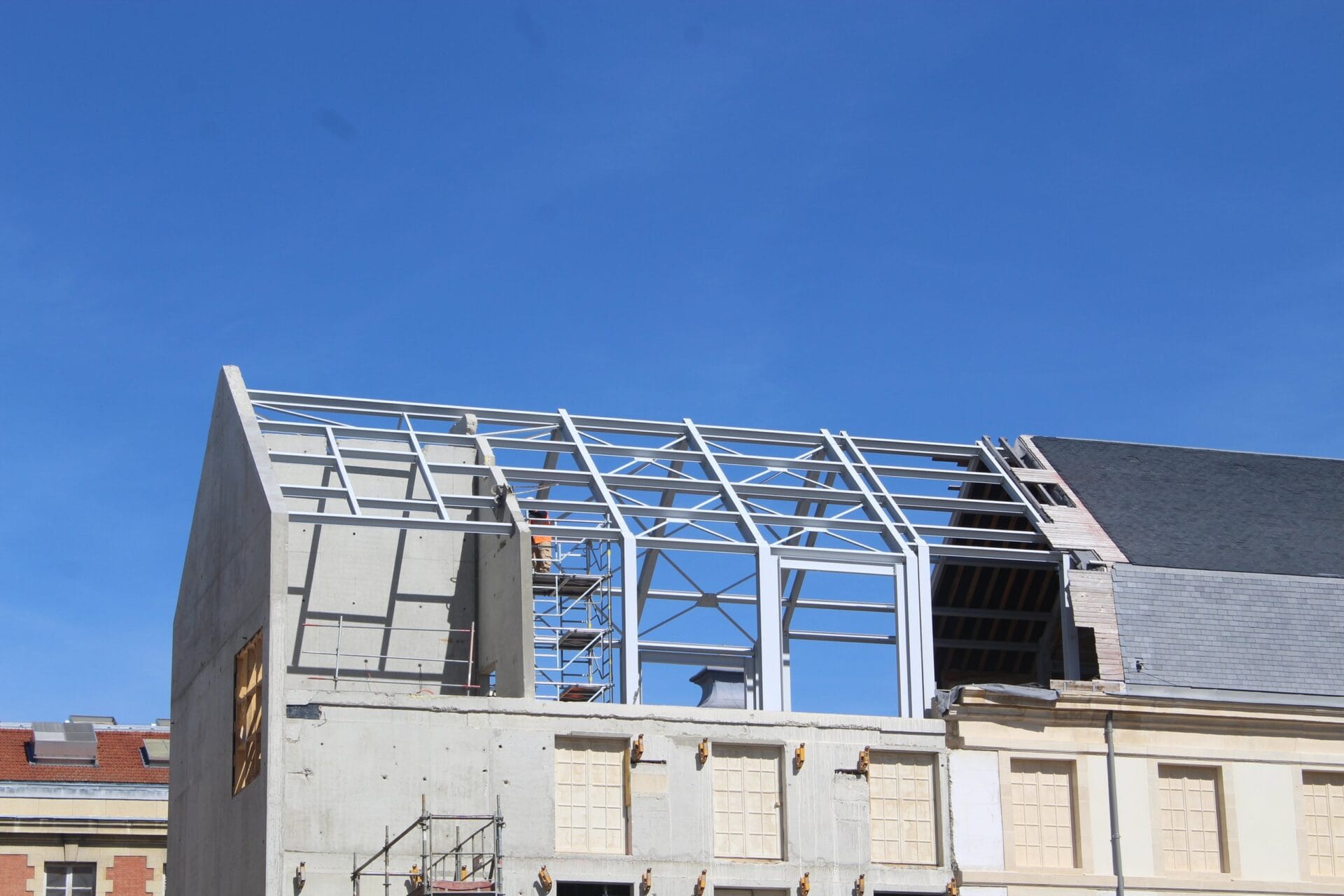
What the new museum will show
The collections cover five centuries of painting and decorative arts, from the Renaissance to Art Deco. The planned route opens with a sculpture space and a room for the 13 portraits painted by Lucas Cranach the Younger. Upstairs, the first floor will hold the ceramics of Jeanne-Alexandrine Pommery, the 18th century, then the 19th century: 27 works by Camille Corot, paintings by Monet, Sisley, Pissarro and Renoir, and a dining room and bedroom decorated by Émile Gallé. On the second floor you’ll find the 20th century, with the Art Deco salon and dining room of the Hôtel de Fels and works by the Surrealist group Le Grand Jeu. Play and digital areas for families and children are planned along the way.
Roman baths under the building site
Since late October 2023, the Grand Reims archaeology service has been excavating the site. It has found the remains of Roman baths: a large room with underfloor heating (hypocaust), a cold room (frigidarium) once paved with mosaic, drains and a well from the Roman town, as well as medieval remains. Researchers have not yet decided whether these were public baths or private ones.
While the building is closed, the museum team runs off-site events, listed in the website’s events calendar.
Saint-Remi Museum, from prehistory to the Renaissance
The Saint-Remi Museum occupies the former abbey of Saint-Remi, a UNESCO World Heritage Site. Its 17 rooms tell the story of Reims from Roman to medieval times: remains of Durocortorum, the Gallo-Roman city, the sarcophagus of the Roman general Jovinus, a Romanesque chapter house with capitals carved around 1130, the reconstructed first floor of the House of Musicians (around 1250) and the head of King Lothair. The ten tapestries of the life of Saint Remi, completed in 1531, are being restored. A final section displays weapons and military memorabilia up to the Franco-Prussian War of 1870.
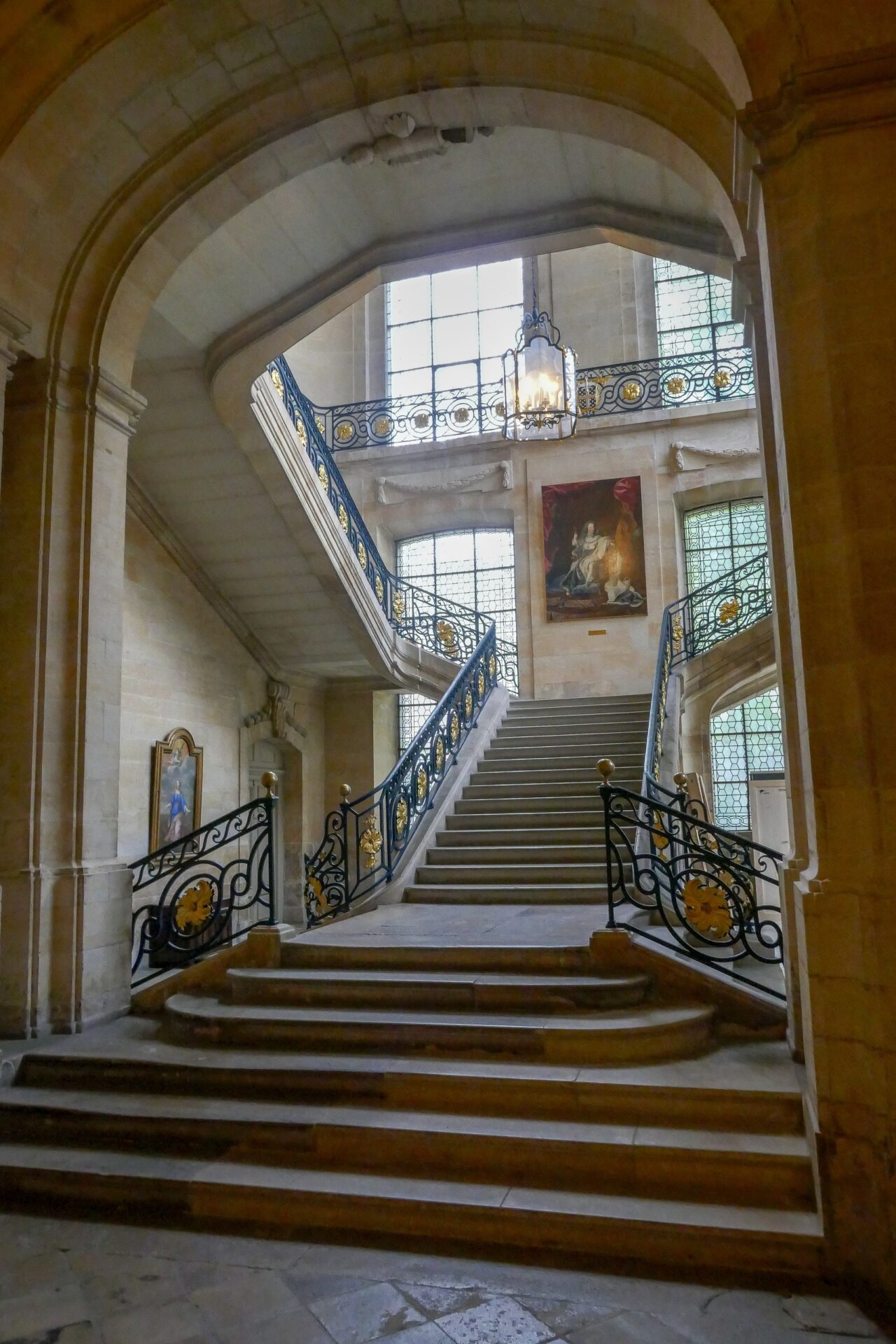
The grand staircase, built in 1700 by the Reims architect Jean Bonhomme, received its wrought-iron banister after the fire of 1774; a portrait of the young Louis XV in coronation robes hangs above it. The cloister garden is closed during work on the basilica. Open daily from 10 am to 6 pm except Mondays, at 53 rue Simon (+33 3 26 35 36 90). Bus U5 or U6, Saint-Remi stop.
Le Vergeur Museum, a merchant family’s mansion
On Place du Forum, this mansion keeps the furnished rooms of a house built from the 13th century onwards and remodelled during the Renaissance by Nicolas Le Vergeur. Its last owner, Hugues Krafft (1853-1935), bought it in 1910 to stop a painted ceiling from being sold to the United States. Bombing during the First World War destroyed much of the house; Krafft had it rebuilt and made it the home of the Société des Amis du Vieux Reims, the local heritage society he had founded in 1909.
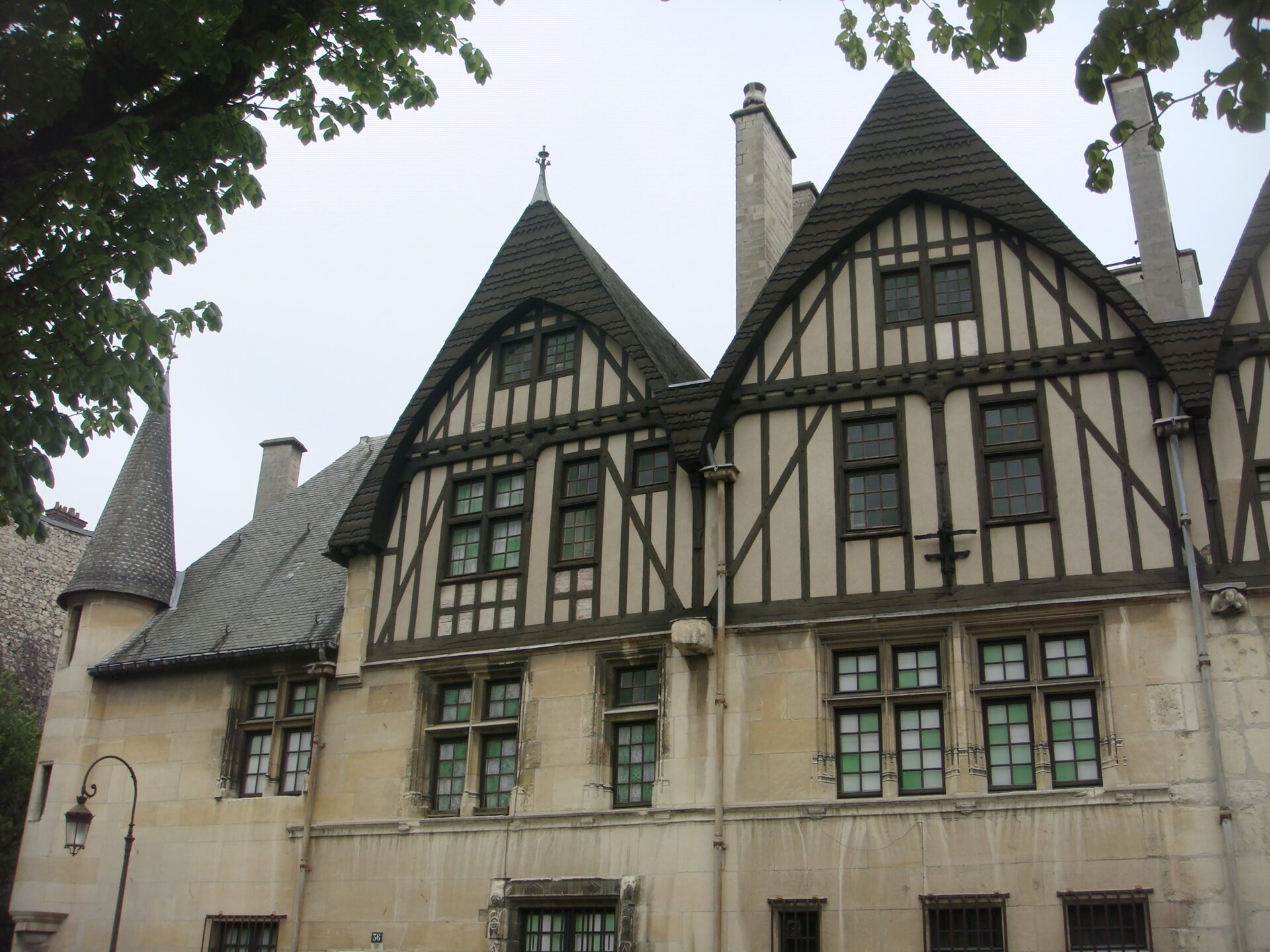
On the ground floor, the great hall keeps its 15th-century floor tiles, and a Renaissance gallery shows Gallic and Gallo-Roman finds. On the first floor, rooms furnished from Louis XIII to Louis XVI recall the coronations of the kings of France. One room displays 50 engravings by Albrecht Dürer, and the kitchen and pantry hold a fine set of French and foreign porcelain. The second floor is about Krafft himself: family portraits, souvenirs of his travels around the world, cameras and photographs from a man who was a leading figure of Japonisme in France. Out in the garden stand house fronts saved from demolition. The museum has held the French “Maison des Illustres” label, given to the homes of notable people, since 2022.
You can only visit with a guide, in groups of up to 15 people, from 10 am to 12 pm and 2 pm to 6 pm, except Mondays. The garden is open Tuesday to Sunday, 10 am to 6 pm. Address: 36 place du Forum (+33 3 26 35 61 95). Tram T1 or T2, Langlet stop.
Museum of the Surrender of 7 May 1945
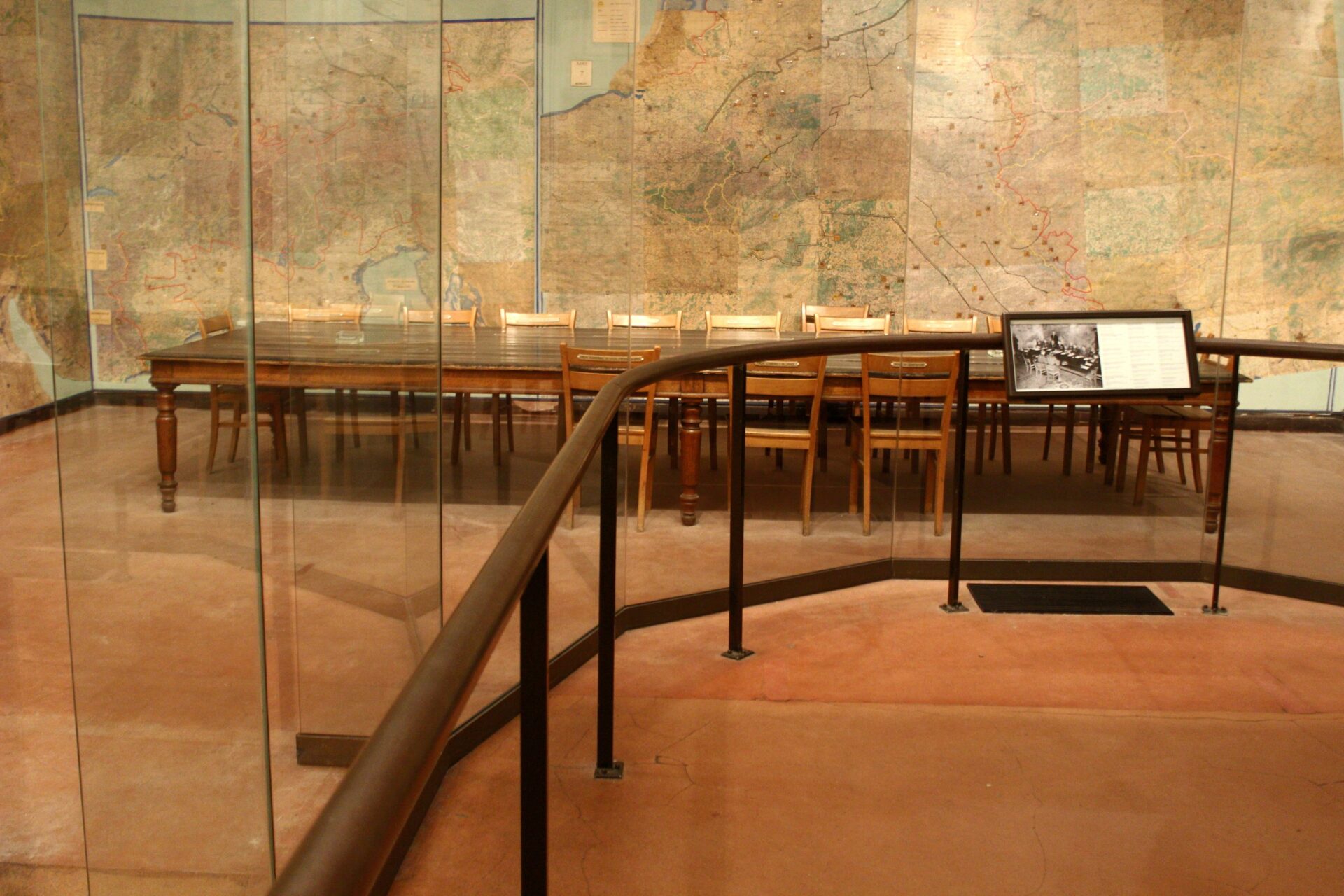
At 2:41 am on 7 May 1945, Nazi Germany signed its surrender in the map room of General Eisenhower’s headquarters, set up in a school that is now the Lycée Roosevelt. In July 1945 the US Army handed the room over to the City, which made it the first memorial site of the Second World War; the museum opened in 1985.
After a year’s closure from 12 May 2025, it reopened on 7 May 2026 with a new design by the Belgian studio Kascen. The chronological route uses archives, uniforms, never-shown objects and digital displays to explain the months before and after the signing, with multilingual labels. The map room itself has not changed since 1945; a sound and light show brings the night of the signing back to life.
Open daily from 10 am to 6 pm except Tuesdays, at 12 rue Franklin Roosevelt (+33 3 26 47 84 19). Tram T1 or T2, Schneiter stop. Wheelchair accessible.
Fort de la Pompelle Museum
On the road to Châlons-en-Champagne, this fort built in 1883 held the line in front of Reims throughout the First World War. German troops took it without a fight on 4 September 1914, and the French 138th Infantry Regiment recaptured it on 24 September. For more than four years it withstood attacks, shelling and gas; 180 regiments took turns there, including two Russian brigades sent by Tsar Nicholas II in 1916 and 1917.
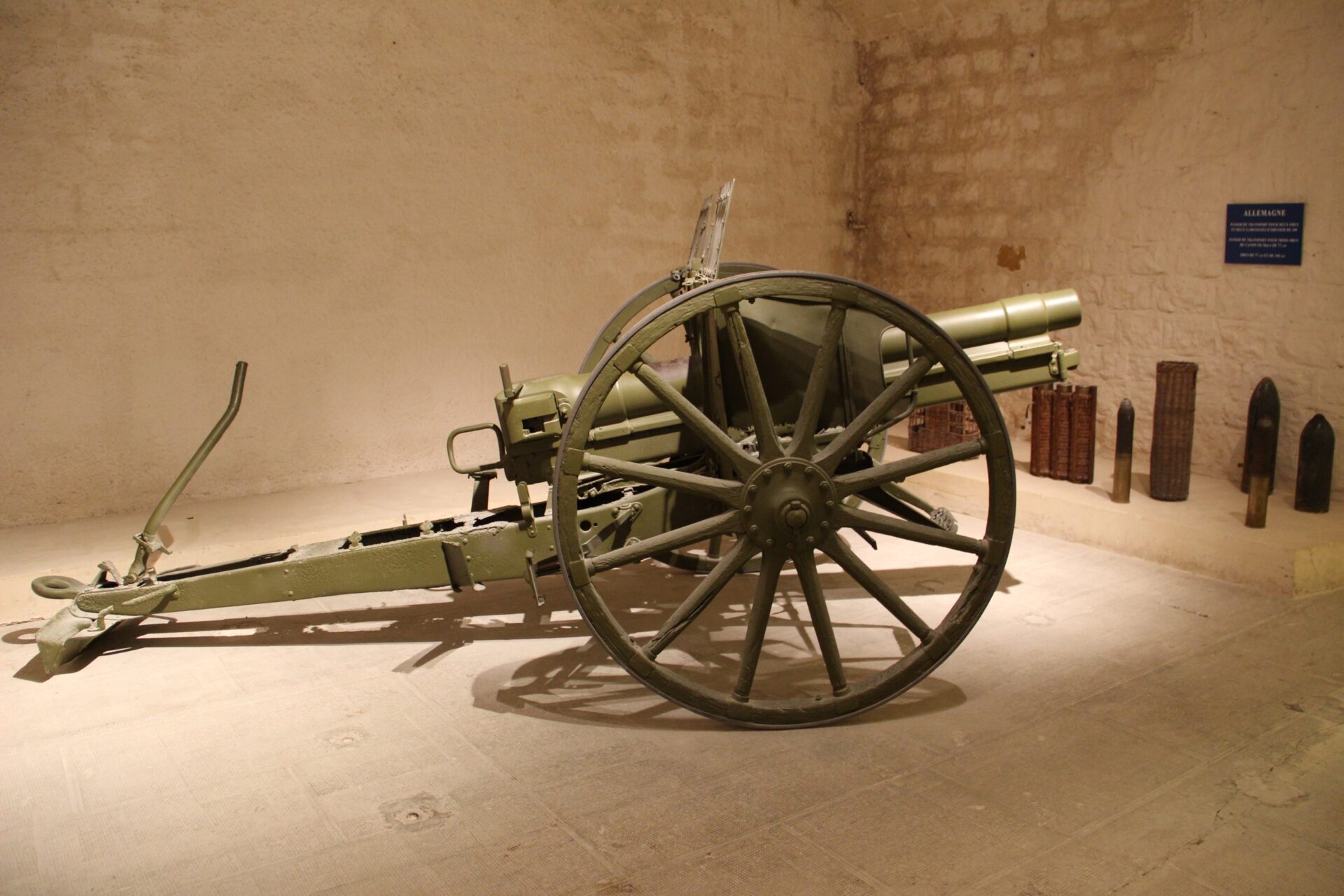
Today it’s a major First World War memorial site. The fully renovated fort tells the story of the men who fought there and of the hard fighting in Champagne and at Reims. The collections include more than 300 headdresses of the Imperial German Army, French 75 mm field guns, the evolution of the French uniform and around twenty mannequins in period dress. One room honours the airman René Dorme, credited with 23 victories, who was shot down over the fort on 25 May 1917. Around the fort, the free Baludik app offers a trail through the traces left by the war.
Open daily from 10 am to 6 pm except Mondays, RD 944, Puisieulx (+33 3 26 49 11 85). There’s a car park at the fort.
The Foujita Chapel (Notre-Dame-de-la-Paix)
The Japanese-born French painter Léonard Foujita (1886-1968), baptised in Reims in 1959, designed and decorated this chapel in 1965 and 1966 with his godfather René Lalou, head of the Mumm champagne house. He painted the frescoes himself at the age of 80, in the summer of 1966; Charles Marq made the stained glass. Foujita and his wife Kimiyo are buried there.
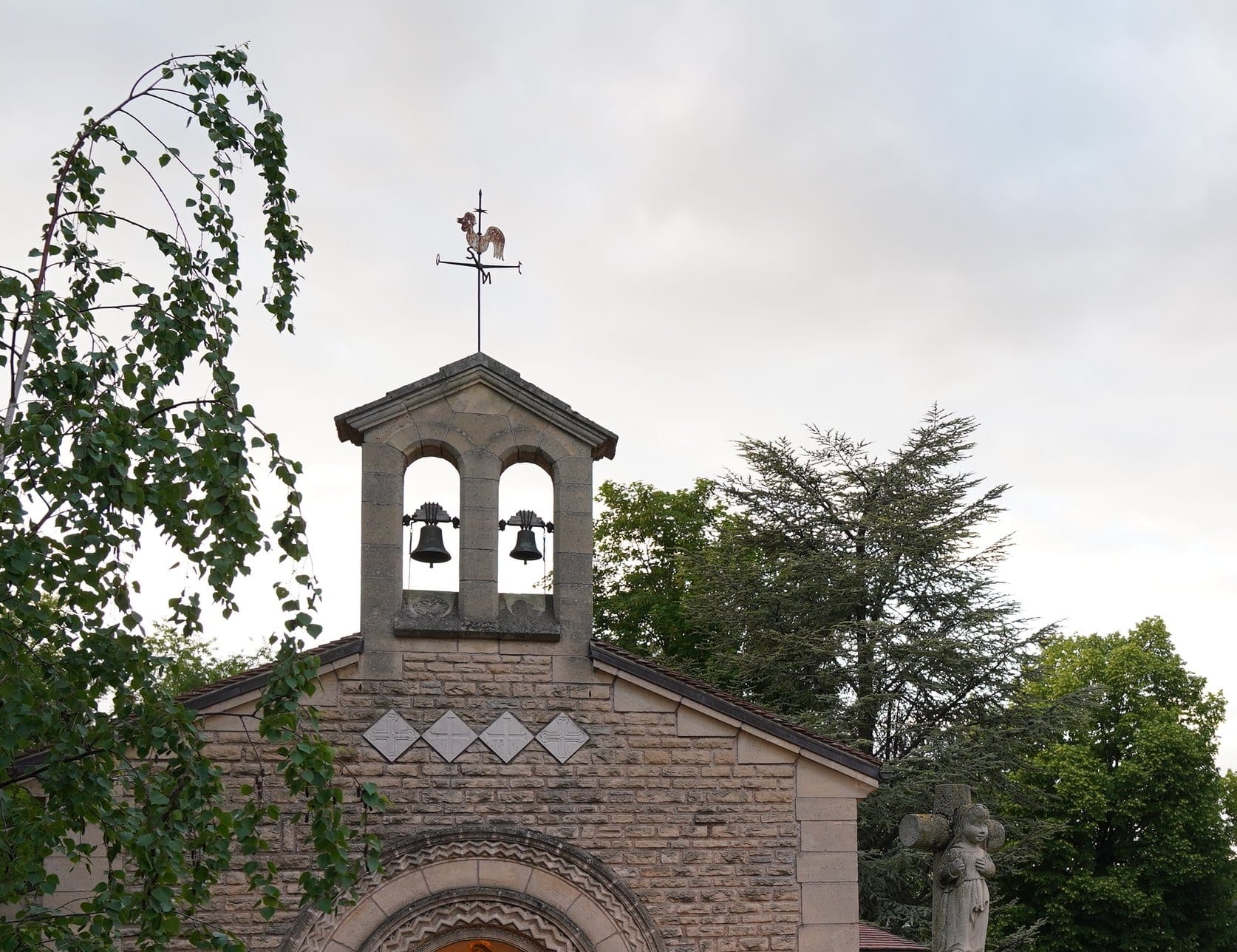
Wheelchair accessible, the chapel opens from 2 May to 30 September, 10 am to 12 pm and 2 pm to 6 pm, except Tuesdays, at 33 rue du Champ de Mars (+33 3 26 35 36 00). The rest of the year, groups can visit by appointment.
What’s on at the museums
- “Trésors sous les rails” (Treasures under the rails): since the European Heritage Days 2026, the Saint-Remi Museum has been showing, for the first time, two hoards found by INRAP archaeologists during the tramway excavations.
- Les Petits Biscuits: activities for children aged 7 to 12 during the autumn school holidays.
- At Saint-Remi, smartphone trails with quizzes and puzzles; the latest, “Drôles d’animaux” (Funny animals), takes about an hour.
- Since October 2024, the history museums have been running a large inventory of their stores.
The full programme of guided tours, workshops and shows is in the events calendar on musees-reims.fr (in French).
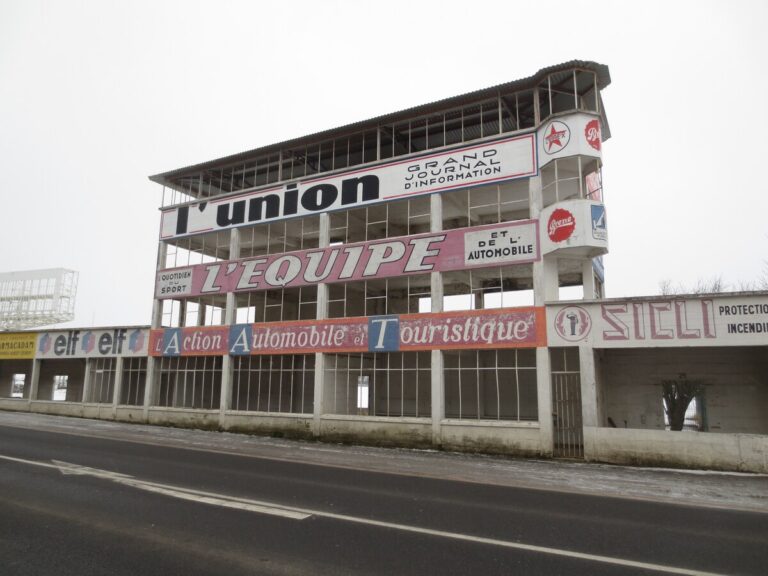
Two more museums: the Palais du Tau and the Automobile Museum
The Palais du Tau, the former archbishops’ palace, has been closed since January 2023. Its operator, the Centre des monuments nationaux, is turning it into a Museum of the Coronations of the Kings of France, due to open in late 2026 or early 2027.
The Musée Automobile Reims Champagne, run by an association, displays nearly 250 cars and motorbikes at 84 avenue Georges Clemenceau. It opens every day except Tuesdays, 10 am to 12 pm and 2 pm to 6 pm (5 pm from November to March). Tickets cost €10 for adults and €4 for children aged 6 to 10.
For more ideas, see our guide to the cathedral tower tour and our 15 things to do in Reims.
FAQ about museums in Reims
Sources
Header photo: the map room at the Museum of the Surrender in 2014, by Michel wal, Wikimedia Commons, CC BY-SA 3.0.